A lot of outdoor spaces look great on paper but don’t get used as much as expected.
The difference usually comes down to one thing. The space wasn’t designed around how people actually live.
Before choosing materials or styles, it helps to think about how you want to use your pergola day to day.
Start with how you want to use the space
Most pergolas fall into one of a few common setups.
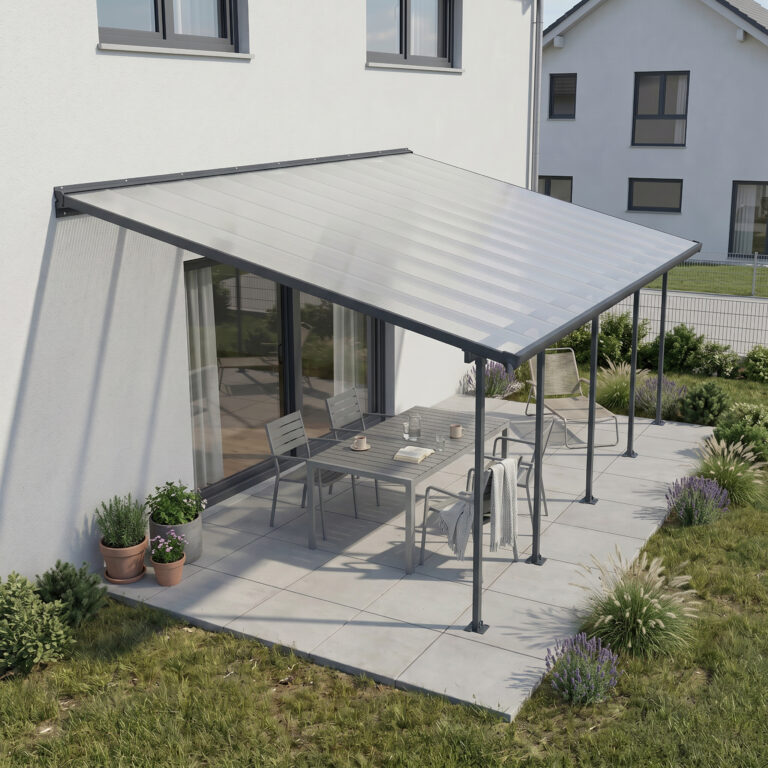
Some are built around outdoor dining. A table, a few chairs, and enough coverage to make it comfortable for meals with family or friends.
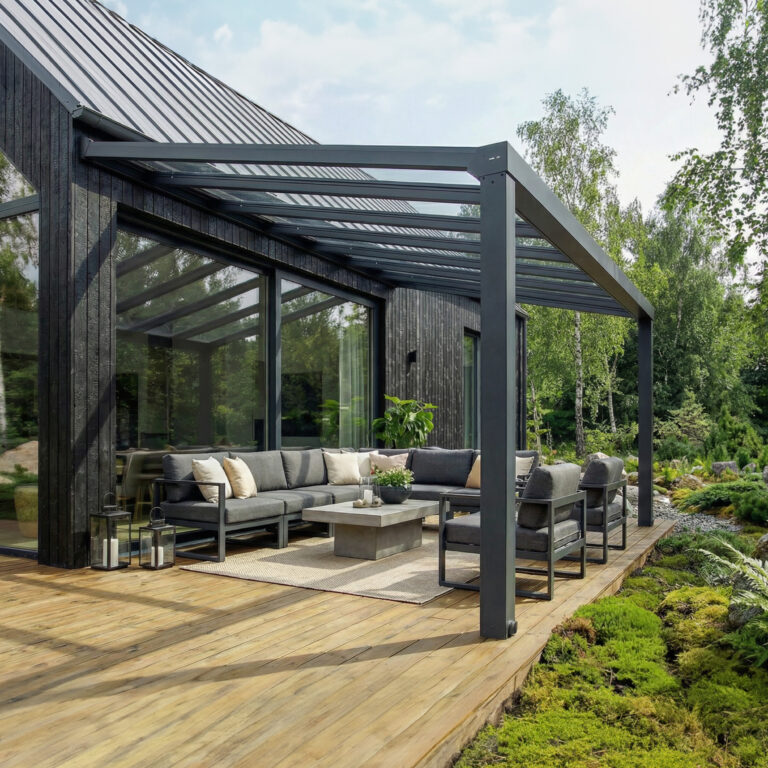
Others are designed as lounge areas. Sofas, a coffee table, maybe even an outdoor TV. These spaces are more about relaxing than entertaining.
Then there are mixed-use spaces. A dining area on one side and a lounge setup on the other. This is often the most practical option if you have the room.
There’s no right or wrong choice here. It depends on how you actually spend your time outdoors.
Light vs shade changes everything
One detail people often underestimate is how much the roofing affects the feel of the space.
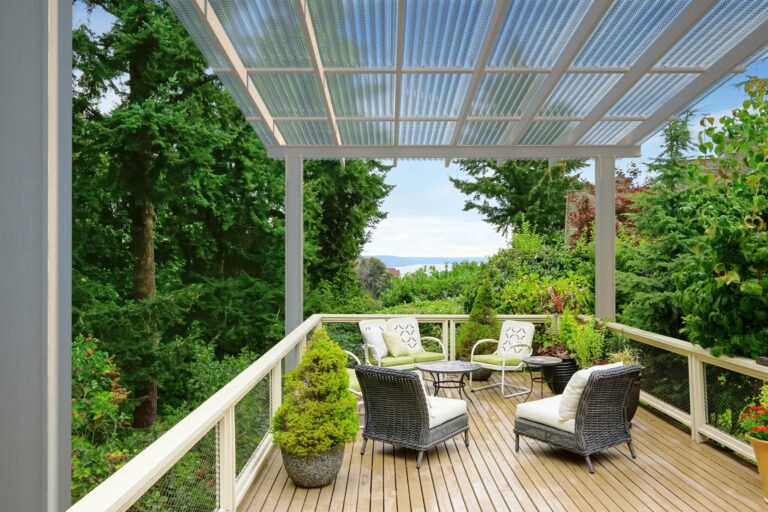
A pergola that lets in more natural light will feel open and connected to the outdoors. It works well if you like bright spaces or want to keep that indoor-outdoor flow.
More shaded roofing creates a cooler and more sheltered area. This can make a big difference during hot days, especially in Australian conditions.
Most homeowners end up choosing something in between. Enough light to keep the space inviting, with enough shade to stay comfortable.
Think about comfort, not just looks
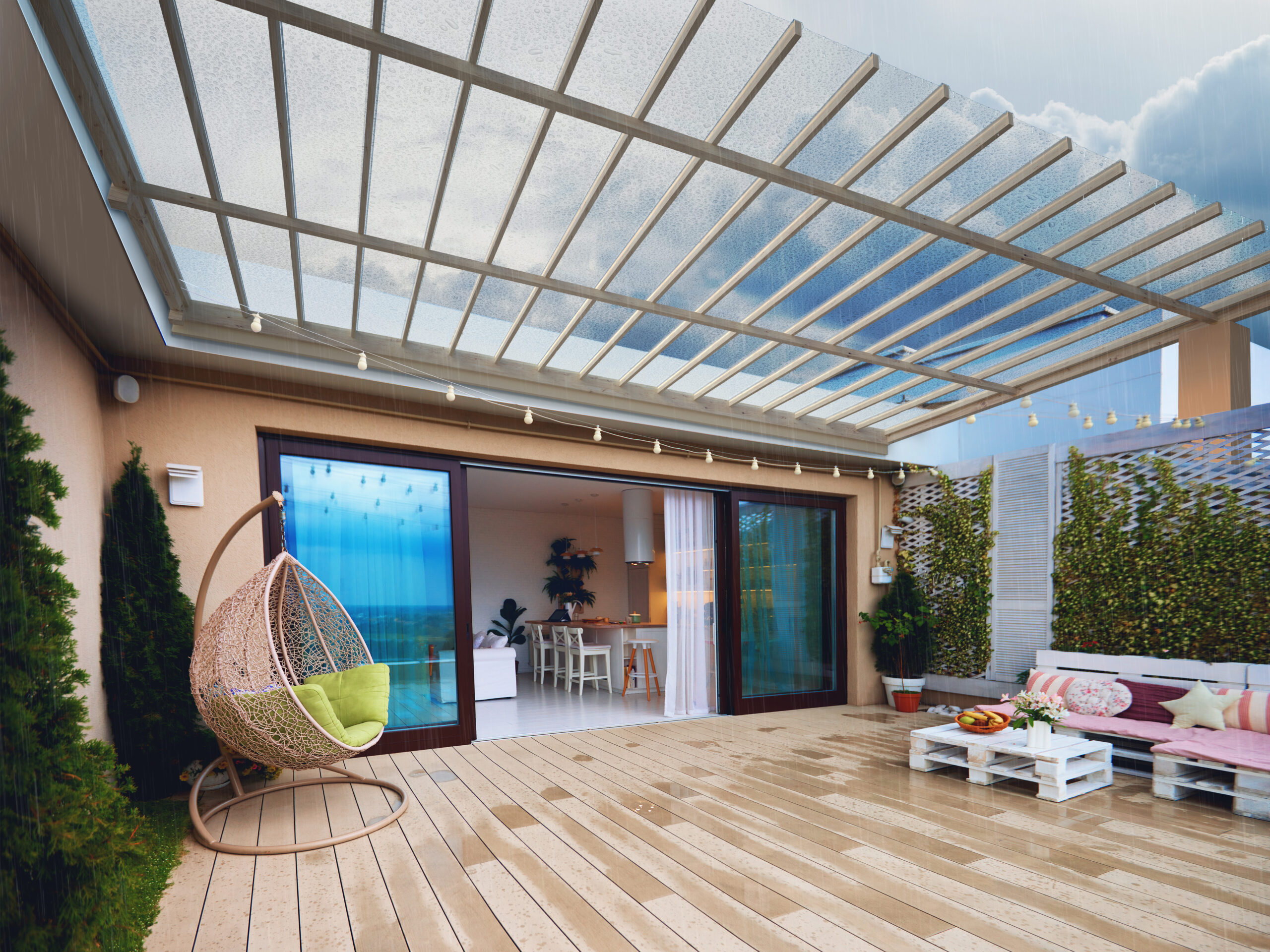
A pergola might look great, but if it’s too hot, too dark, or exposed to the weather, it won’t get used much.
A few small decisions can make a big difference:
- How much sun hits the area during the day
- Whether the space needs more airflow or more protection
- How the roofing handles rain and heat
These are the details that turn a nice-looking structure into a space you actually use every week.
The role of roofing materials
Roofing plays a big part in how your pergola performs over time.
Polycarbonate systems are a popular choice because they allow light in while still providing protection from rain and UV. They’re also lightweight and suitable for a wide range of structures.
Options like EZ Glaze are often used when a clean, glass-like finish is part of the design. They work well for modern pergolas where maintaining light and openness is important.
If you’re exploring different roofing options, you can view available systems here:
https://www.polyguru.au/product-category/polycarbonate-sheets/
Design it around real life
It sounds obvious, but it’s often missed.
A pergola should match how you actually use your home, not just how it looks in a photo.
If you enjoy outdoor meals, make space for a proper dining setup.
If you prefer relaxing, focus on comfort and shade.
If you do both, design for flexibility.
That’s usually what separates a pergola that looks good from one that becomes part of your daily routine.