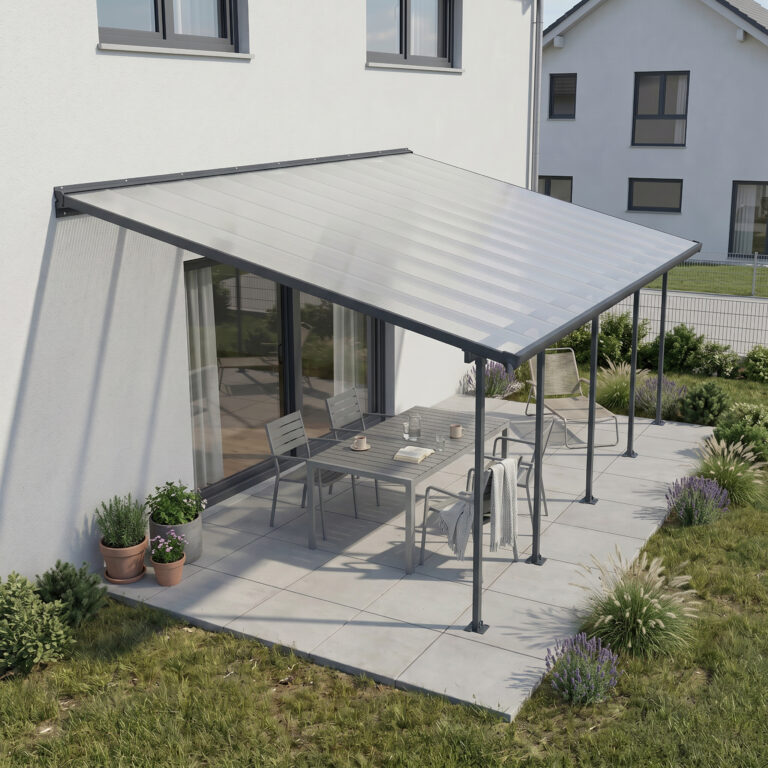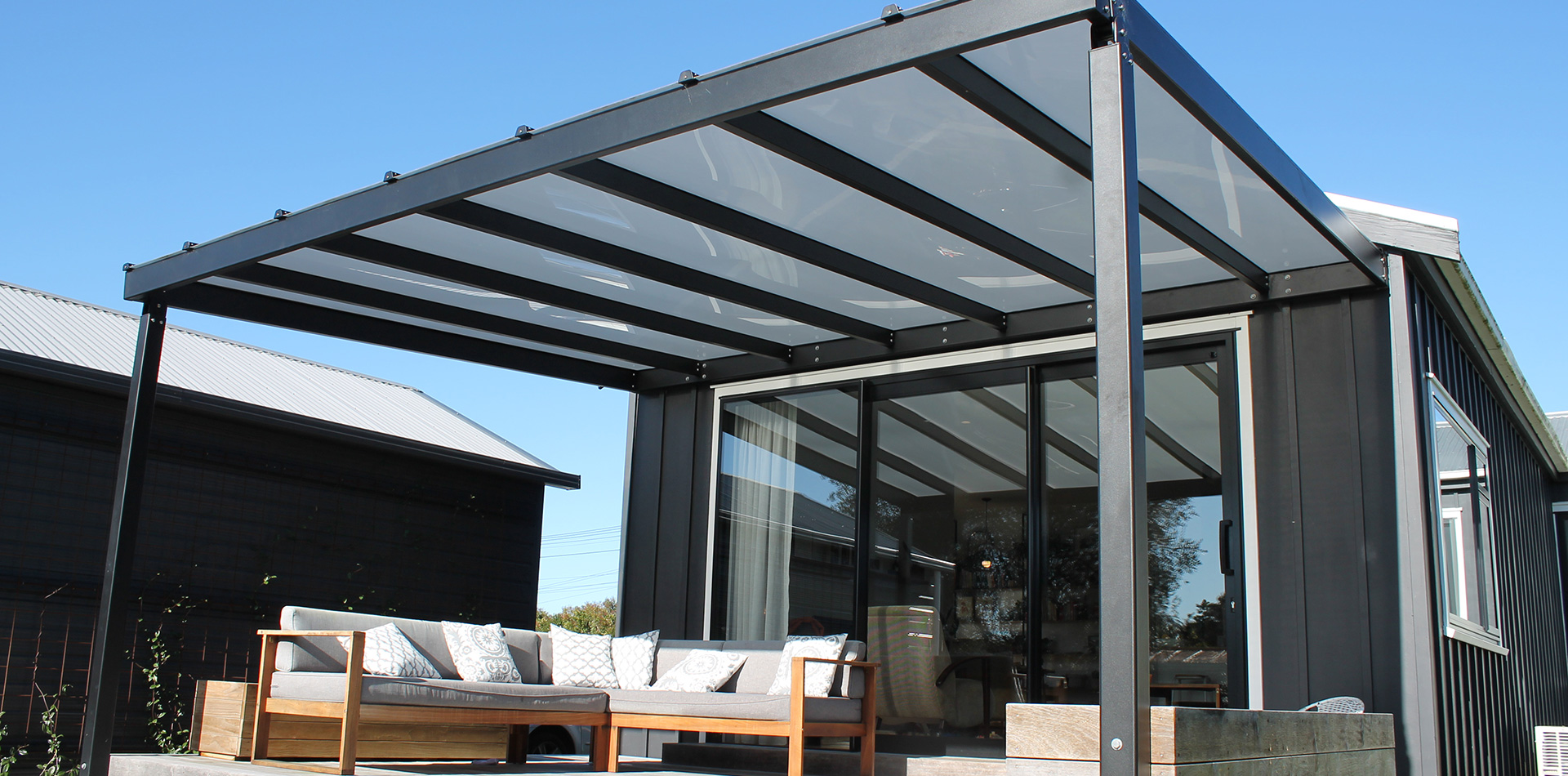
Building a pergola is one of the most popular backyard projects. Add a roof and the space becomes far more useful. You get shade during the day and protection when the weather turns.
Many DIY builders choose polycarbonate roofing panels because they are light, strong, and allow natural light through. The installation looks straightforward, which is why one common mistake shows up again and again.
The issue is simple: the sheets are fixed too tightly.
Why polycarbonate sheets need room to move
Polycarbonate expands and contracts as temperatures change. In Australia the difference between a cool morning and a hot afternoon can be significant, especially on a roof surface exposed to direct sun.
When the sheets are fixed without enough space for movement, the material begins to push against the fasteners or the frame. Over time this pressure can cause several problems. Sheets may bow slightly, fasteners can loosen, and small gaps may appear around the fixing points. Those gaps are often where leaks begin.
A pergola roof may look perfect right after installation, yet problems can appear months later during heat waves or heavy rain.
The screw mistake many DIY installers make
Overtightening screws is another common issue.
Roofing screws with sealing washers are designed to sit firmly against the sheet while still allowing slight movement. When the screw is tightened too much, the washer compresses the panel and locks it in place. The sheet can no longer expand naturally, and stress builds around the hole.
The correct approach is simple. Tighten the screw until the washer seals against the sheet, then stop. The washer should sit flat without being crushed.
Simple installation details that prevent problems
A few small steps during installation can prevent most pergola roofing issues:
- Allow expansion space when fixing the sheets
- Pre-drill expansion holes (generally around 10 mm) to allow the sheets room to expand and contract
- Use roofing screws with sealing washers
- Follow the recommended spacing between supports
- Avoid overtightening the screws
These details may seem minor, but they protect the roof from stress and help maintain a watertight seal.
Choosing the right roofing panels
Many pergola roofs use polycarbonate sheets because they handle impact well and allow light into the space below. They are also easier to handle during installation than traditional glass panels.
For pergolas, patios, and carports that require a clear or glass-like finish, you can explore the available options here:
https://www.polyguru.au/product-category/polycarbonate-sheets/glass-like-sheets/sunglaze-4mm/
Seeing the specifications and sheet profiles can help you choose the right system before you begin the project.
A small detail that saves a lot of trouble
Most pergola roofing issues do not come from the material itself. They usually come from installation shortcuts. Allowing space for expansion and tightening screws correctly takes only a few extra minutes during the build, yet it can prevent leaks and structural stress later on.
A pergola roof should handle heat, rain, and years of outdoor exposure. Getting the installation details right helps make sure it does.